Australia is using AI in English classes. Find out how this is being implemented.
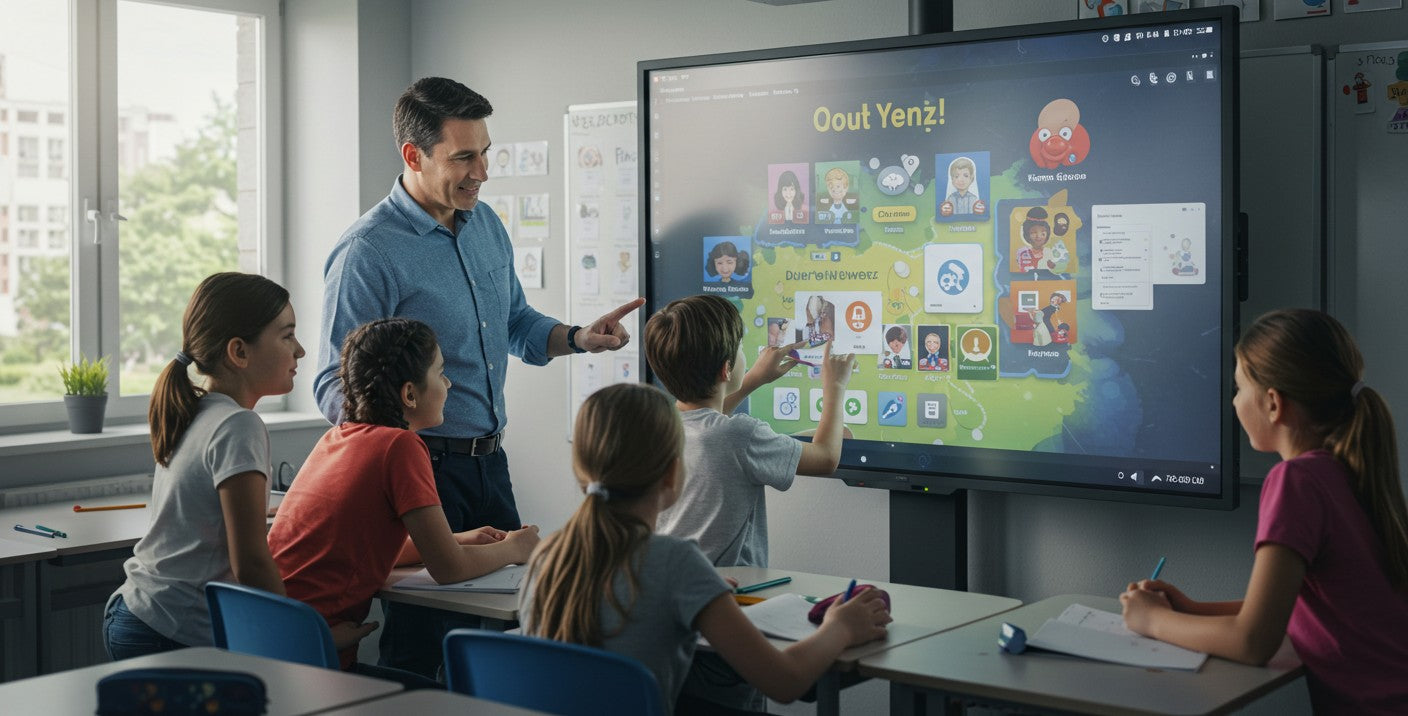
Artificial Intelligence (AI) is rapidly transforming the landscape of education in Australia, reshaping how students learn and how teachers deliver content. Once limited to experimental pilot programs, AI-powered tools are now being integrated into classrooms across both public and private schools, raising questions about effectiveness, ethics, and the future role of educators.
A Shift Toward Personalised Learning
One of the most significant impacts of AI in Australian schools is the move toward personalised learning. AI platforms can analyse student performance in real time and adjust the difficulty of tasks accordingly. According to a recent report by the Australian Digital Education Council (2025), over 60% of secondary schools have adopted at least one AI-based learning system.
For example, adaptive learning software can identify when a student is struggling with a concept such as algebra and provide targeted exercises and explanations. Conversely, high-performing students are offered more advanced tasks, ensuring they remain challenged. This tailored approach has been linked to improved engagement and academic outcomes.
Supporting Teachers, Not Replacing Them
Despite concerns that AI may replace teachers, most experts argue that its primary function is to support, rather than substitute, human instruction. Teachers are increasingly using AI tools to automate administrative tasks such as grading, attendance tracking, and lesson planning.
“AI allows me to focus more on interacting with my students rather than spending hours marking assignments,” said Laura Nguyen, a high school teacher in Melbourne. “It enhances my teaching rather than replacing it.”
In addition, AI-driven analytics can help educators identify learning gaps across entire classes, enabling more strategic lesson planning.
Ethical and Privacy Concerns
However, the rise of AI in education has also sparked debate around data privacy and ethical use. AI systems often rely on large amounts of student data, including academic performance, behavioural patterns, and even emotional responses.
Critics argue that without strict regulation, this data could be misused or inadequately protected. The Australian Education Union has called for clearer guidelines, warning that “the rapid adoption of AI must not outpace the development of robust privacy safeguards” (AEU, 2025).
There are also concerns about bias in AI algorithms, which may disadvantage certain groups of students if not carefully monitored.
Bridging the Digital Divide
Another challenge is ensuring equitable access to AI technologies. While many urban schools benefit from advanced infrastructure, rural and remote communities often face limited access to reliable internet and digital devices.
The Australian government has announced new funding initiatives aimed at addressing this gap, including grants for schools in underserved areas to adopt AI-based tools and improve connectivity.
Preparing Students for an AI-Driven Future
Beyond immediate classroom applications, AI is also influencing what students learn. Schools are beginning to incorporate digital literacy, coding, and AI ethics into their curricula, preparing students for a workforce increasingly shaped by automation.
“Understanding how AI works is becoming as essential as basic computer skills,” noted Professor Daniel Hughes from the University of Sydney. “Students need to be not just users of technology, but critical thinkers about it.”
Conclusion
The integration of AI in Australian schools represents both an opportunity and a challenge. While it offers the potential to enhance learning and reduce teacher workload, it also raises important questions about equity, ethics, and the future of education. As adoption continues to grow, careful implementation and ongoing evaluation will be essential to ensure that AI serves the best interests of all students.